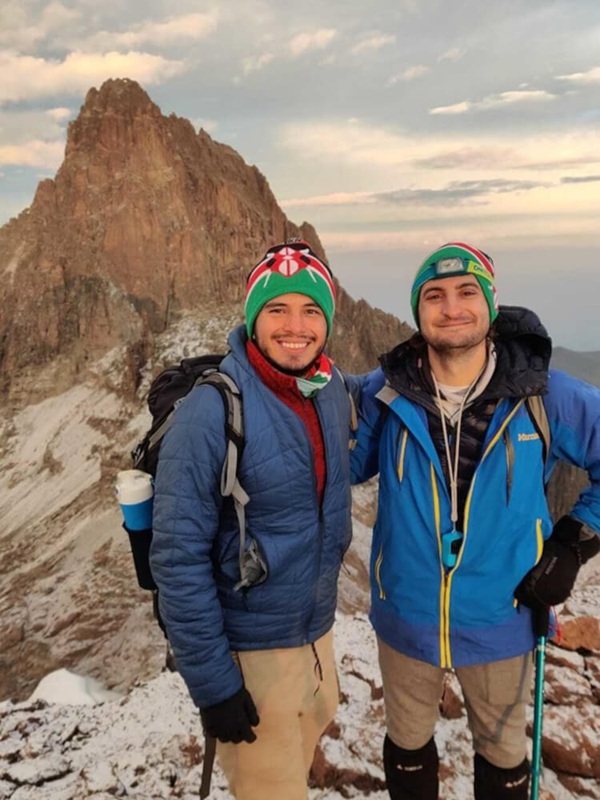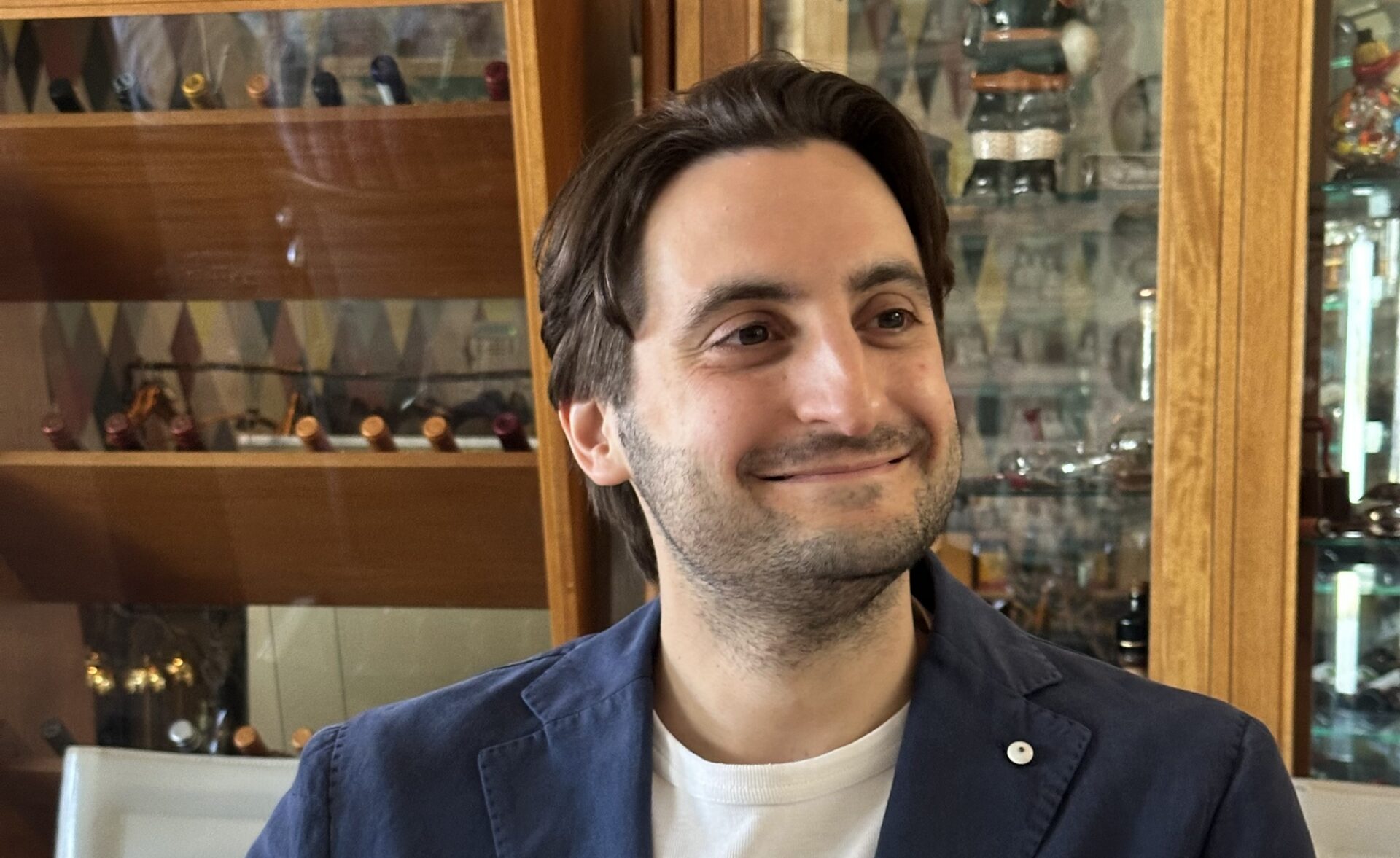
A career pivot brought John from Toronto to Nairobi. Now, in his sixth year and third role at Laterite, he leads our Analytics team, building AI tools that squeeze hidden insights out of data and transform how research is done.
At 26, John left behind a stable career in corporate strategy for an unpaid UN internship, seeking more meaningful work. That decision took him to New York, then Nairobi, then London, and eventually back to Nairobi with Laterite.
Since joining, John has led development research projects across countries and cultures in East and West Africa. He has an eye for data visualization and compelling storytelling, and is always looking to center the voices of respondents in his work.
One thing has always bothered him: surveys are often too long and a burden for respondents. Our data should be treated as a precious resource, not taken for granted. If someone came to your home and asked you to sit through a 90-minute survey, would you agree to it?
With the rise of AI, John found his niche. The Analytics team he leads is focused on transforming the way research is done, squeezing insights from data and telling more engaging, compelling stories. The goal is to put insights within everyone’s reach, building tools that make research faster, more insightful, and ultimately more useful for decision-making.
To start, could you tell us a bit about your background and how you first became interested in using data and evidence in development research?
I grew up in Toronto, Canada, a really multicultural and diverse city. I’ve always been interested in other cultures and global issues: my parents are both high school teachers who encouraged learning, and all four of my grandparents emigrated to Canada from Italy in the 1950s.
Development research was not on my radar until I was about 26 or 27 years old. For the early days of my career I was working in the private sector in corporate strategy consulting roles in Toronto, having studied finance and economics. But after about 5 years in that field, I realized there’s only so much shareholder value that one can add before it starts to feel a bit dry.
In 2017, I took a leave of absence from my job and did an unpaid internship at the UN in New York City, while taking some classes in international affairs. It was a risk, and confused some people around me, but looking back it significantly redirected the course of my life. I was offered the opportunity to continue my internship in Nairobi, Kenya, with UN-Habitat, working on an urban sustainability project. I officially quit my job, and went to Kenya.
East Africa captured my imagination, broadened my perspective, and brought me some lifelong friends. I wanted to learn more about life in this part of the world, but I had so much still to learn (and still do!). After a few months in Kenya, I enrolled in a Masters program in international development in the UK, to make my career pivot official.
My studies unveiled to me how complex the world is and how little I knew about it. I learned international development theory, with topics like the importance of institutions and the long shadow of colonialism, which I found fascinating but at times disconnected from reality. My studies gave me a foundation on research methods and some exposure to different thematic areas, and also opened my eyes to the importance of nuance. There is no panacea for development challenges: what works in one place, probably won’t work in another. Culture, norms, and traditions bring life and vibrancy to the world, and are sometimes in direct opposition to Western development outcomes. What even is “development” anyway?
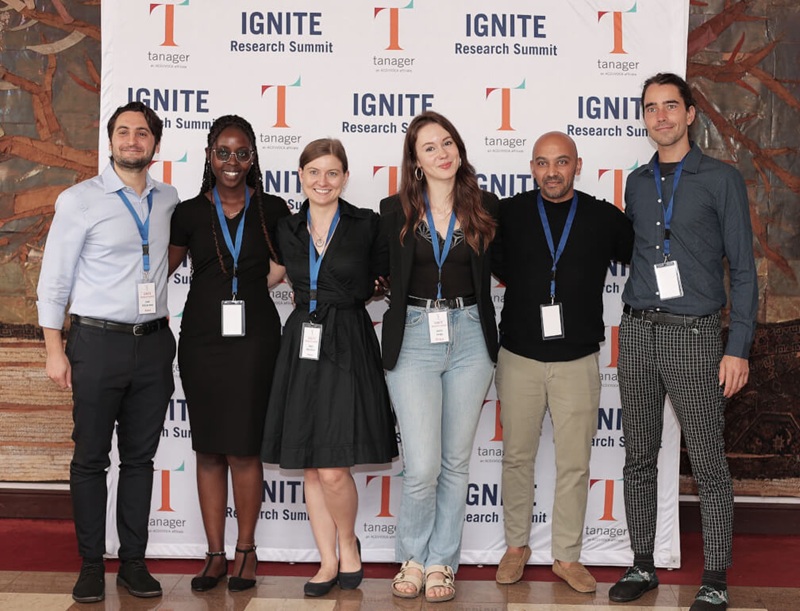
Laterite brought me back to Kenya after my studies, where I would stay for the next three years. I started as a Research Associate in our Nairobi office, working primarily on IGNITE, a Gates-funded project focused on mainstreaming gender and nutrition within agriculture programs, topics I didn’t know much about. It challenged me deeply, and I quickly realized that despite my studies being behind me, my learning was ongoing.
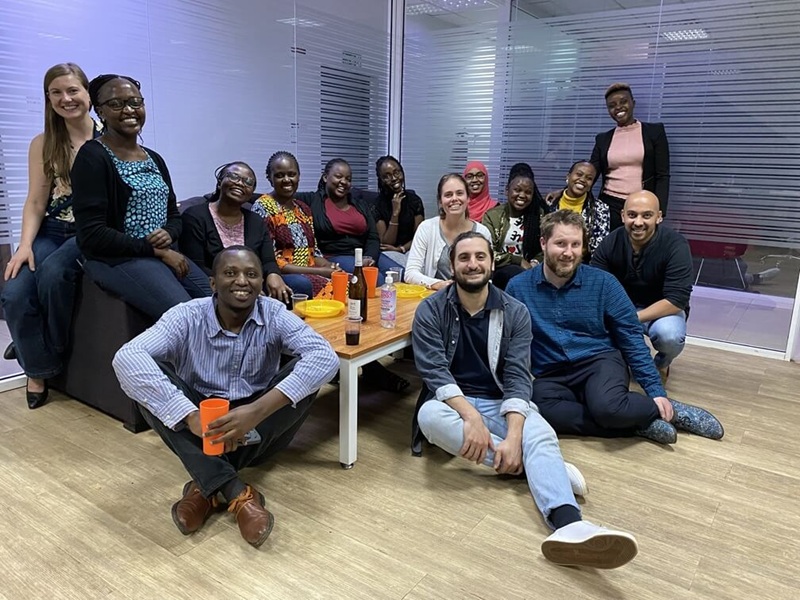
You spent several years in Laterite’s Kenya office. What were some experiences there that shaped your approach to research?
My first few years at Laterite were full of learning opportunities, and I did my best to soak them all in. Unlike other Research Associates at the company, I didn’t have much research experience before joining, and also didn’t have a thematic area of expertise.
There was no shortage of imposter syndrome in those early days, but thankfully I had some great mentors at Laterite to help me through.
My work on IGNITE really solidified my research foundations and exposed me to new topics and countries. I worked on five different studies for IGNITE across Ethiopia, Tanzania, Burkina Faso, and Nigeria – all with an agriculture, gender, and nutrition focus.
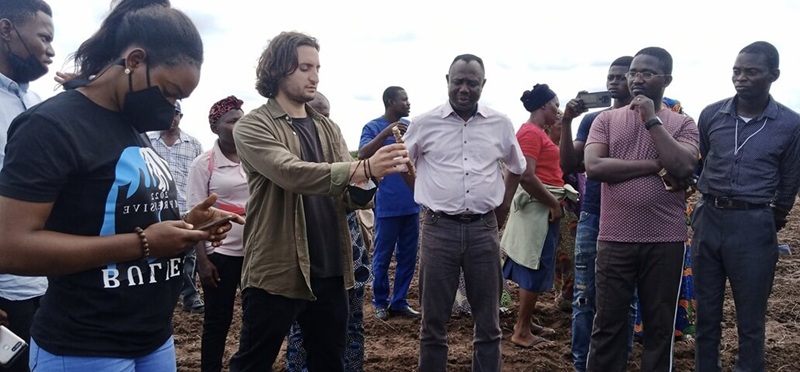
My most memorable project on IGNITE was a study in Nigeria with African Agricultural Technology Foundation (AATF) and Agridrive. The project evaluated the benefits of farm mechanization (tractors) for cassava farmers in South West Nigeria. Specifically, we were interested in understanding if the time savings from mechanization were disproportionately benefitting women or men. The AATF project was a challenge on a few levels. First, it was during the pandemic, so extra precautions were required throughout, including quarantining myself in a Lagos hotel. Second, Nigeria is not a country Laterite typically works in, so the usual support was not at my disposal, and we had to rely on local partners to implement the work. Third, there were ongoing security challenges in the study areas, which required extra attention, including an armed security escort by the Ministry of Finance. Fourth, there were considerable challenges in designing the research such that we could time the data collection to coincide with tractor usage.
This study helped me gain appreciation for a few important facts:
- Understanding local context is not optional, it is essential
- A study does not need to be large to have a real impact
- Being adaptable is key: things won’t unfold according to plan, no matter how hard you plan
- Jollof rice can be very spicy
Earlier in your career you worked closely with field teams managing large scale research projects. How has that experience influenced the way you think about analytics today?
Having seen the herculean efforts required to collect data and conduct evaluations, I now have a deep appreciation for each and every data point, and do not want any of it to go to waste.
Behind every cell in a dataset lies months of work and effort: ethics approvals, security checks, multi-day trainings, broken down vehicles, mudslides, logistics, go/no-go decisions, not to mention hours upon hours of time from respondents, who likely have better things to do but are being gracious and generous with their time. If someone came to your home, and asked you to do a 90 minute survey, would you agree to it?
This data should be treated like a precious resource, but in reality, it is often reviewed once or twice with little action being taken, relegated to a digital graveyard.
Part of my work on Laterite’s Analytics team today is directly trying to address this unfortunate reality. Too much data sits dormant and unused, yet more and more data is collected each day, placing an unnecessary burden on respondents and wasting resources. The rise of new AI technologies presents an opportunity to turn this data into something meaningful and actionable. It also has the potential to alleviate some of the burden that researchers face to bring a project to reality.
Was there a particular project or moment when you started to see the potential for AI or advanced analytics to play a bigger role in Laterite’s work?
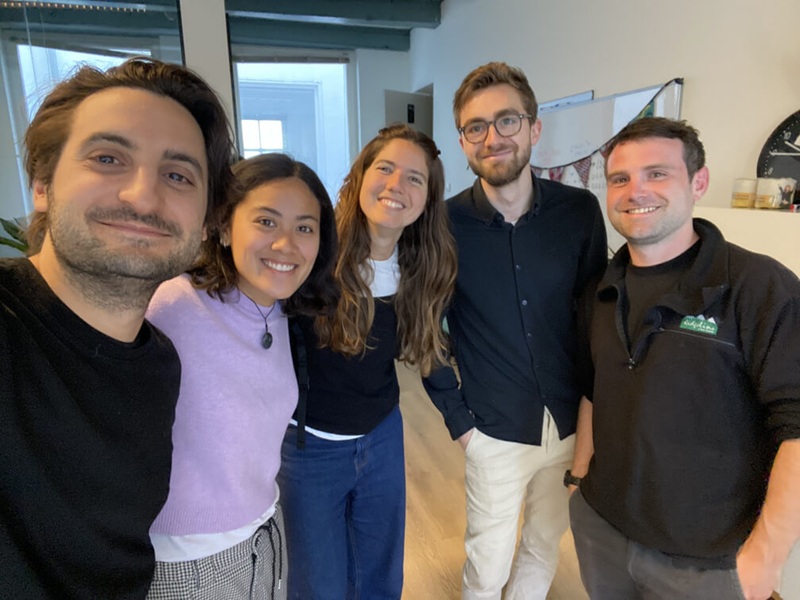
To this day, I still find it hard to comprehend that a LLM, essentially an elaborate word predictor, can do the things it is capable of doing. For me, those early days of GPT-3, and then ChatGPT were eye-opening, and led to frantic experimentation within some corners of our company.
People understandably like to joke about AI, for example how it gets some basic stuff wrong every now and then, like ‘how many Rs are there in strawberry’. I’ve seen my fair share of AI slop and complete non-sense, but I’ve also seen flashes of utter brilliance that left me in awe. One of the first use cases we tested was fine-tuning a model that understood the syntax required for coding surveys in SurveyCTO. Watching these tools output complex formulas and strings from a text prompt blew me away. As time goes on, I am seeing more and more of the brilliance and less and less of the slop and I think it will keep moving in that direction.
Today you lead Laterite’s analytics team. What does your role involve, and what kinds of work does the team focus on?
The Analytics team is focused on innovation. We’re developing tools to help our team and our partners do better research, more efficiently. This includes AI-assisted research tools and tools to better visualize and explore existing data. For example, we’ve built a tool called AutoQuant, which is an AI agent that can produce rigorous and reproducible analysis of quantitative data, given some human guidance. Or another example would be intelligent knowledge hubs, where we curate and organize a corpus of data and information on a topic into a knowledge graph data structure, and connect it with a user-friendly web interface where you can chat with it. We’re constantly building new tools for our internal research team, and we’re realizing that there’s also a lot of interest about these tools outside of Laterite.
It’s helpful that me and others on the team were formerly on the research team, so we know firsthand what some of the pain points are, and what our clients and partners are looking for in their research outputs.
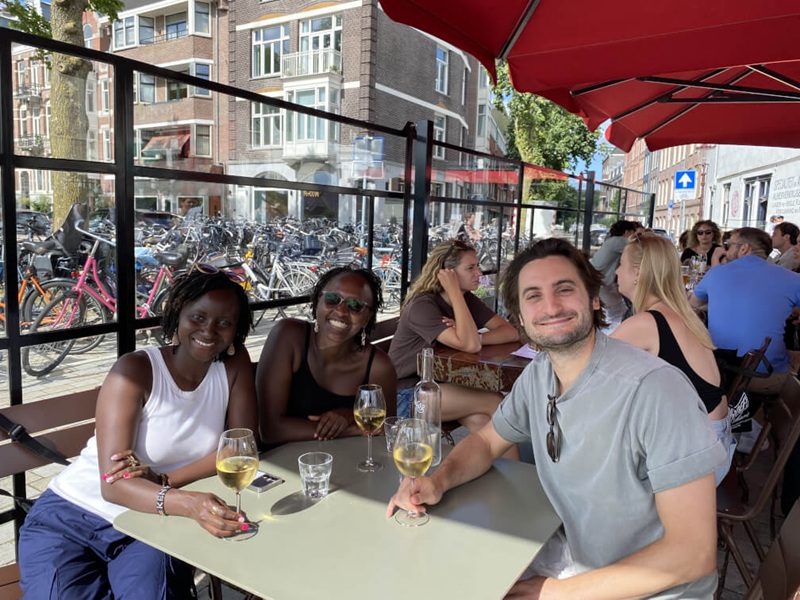
My role on the team is to set strategic direction for our work, engage with potential clients and partners, and to act as a product manager for our various applications, including working on user experience and testing. The real technical development work is done by our incredible and talented developers – who do all of the hard work and deserve the credit.
You’ve helped shape Laterite’s analytics services in recent years. What kinds of problems were you trying to solve for partners when developing this work? How have things evolved since then?
The roots of the Analytics team are in an internal ‘innovation lab’ that we started in 2021 at Laterite, which was a company-wide initiative to spur new ideas and innovation. GPT-3 emerged around that time and we began testing small prototypes. Our first applications focused largely on survey coding, and trying to automate the generation of SurveyCTO forms. As the underlying models continued to improve, and our understanding of how to work with LLMs grew, our ideas got progressively more elaborate. Today we have about 30 different AI-powered applications.
Things are moving so fast, it can be difficult to keep up. AI models are improving at a shocking pace and it is both spurring new ideas and rendering old ideas obsolete. Through this rapid change we’ve managed to build the Analytics team, form a strategy, work on some interesting projects, and innovate. I can feel the momentum shifting, and believe Analytics will become a larger and larger share of our work at Laterite in the coming years.
Can you share an example of a project where AI or advanced analytics helped uncover insights that might otherwise have been difficult to see?
In 2025, our Ethiopia office led the largest qualitative research project in Laterite history, which was a process evaluation of a national social protection program, and included 376 interviews and focus group discussions. Laterite used our AI-assisted thematic coding process for this project. Of the 376 total transcripts on the project, 140 were manually coded by the human research team, and 236 were coded by the AI system.
We used inter-coder reliability (ICR) – a method of comparing qualitative researchers’ coding practices – to measure the quality of AI outputs in comparison to our human team. Our findings suggest that the AI-coding was as good or better than the average human on the team. Since this last formal measurement, the underlying AI models have improved significantly, suggesting that the quality of the coding today is even better.
Incorporating our AI tool into the evaluation enabled efficient coding of transcripts, bypassing weeks of manual effort, allowing the human team to focus on higher-level thematic analysis and synthesis. This project was illuminating and opened the door for us to conduct even larger qualitative research projects in the future.
Looking ahead, what are you most excited about when it comes to the future of analytics and AI at Laterite?
AI is going to transform the way we work and the type of research we conduct at Laterite. Human-AI collaboration will become the norm across all phases of the research process. We are already seeing shifts in the way we collect, analyze, and share our data and insights. This will allow us to conduct better research, more efficiently.
Of course, this excitement is balanced with caution. AI will be disruptive to our sector and the communities and people we work with. We’ve recently held a series of workshops across the company and heard a lot of these concerns from our team first hand. There are real risks and worries that we collectively need to address responsibly and transparently.
For our Analytics team, there’s a lot of exciting developments on the horizon. First, I’m pleased that the team is growing: we are actively hiring two new AI Developers which will allow us to build more and improve our tools. Second, we are just getting started on our largest Analytics project to date, where we will develop an AI-powered knowledge platform on secondary education across Africa. Third, we will soon be launching an external website where other researchers can try and access our various tools.
To conclude, what do you like to do outside of work?
Recently I have been fascinated by old vintage watches, which I’ve started collecting and repairing. I find them to be beautiful pieces of engineering and hopeful symbols. This is also my most dangerous hobby as many old watches are radioactive. I’m now the proud owner of a Geiger counter.
I would say that I recharge in nature, but am an urbanist at heart. I’m passionate about human-centred cities, which made living in Amsterdam the last few years a dream. I’m interested in architecture and interior design, too, particularly mid-century modern and art deco eras.
I’m also a huge tennis fan, and have been watching and playing for most of my life. In the winter you can find me skiing, and I like to run whenever I can. I love exploring new places and cultures, and will go out of my way for a great meal, just don’t ask me to cook one.